Facebook
 X
 Pinterest
 Copy Link
The short answer
Before you buy rural land in Oregon, check four things: water, septic, zoning and access. Find out where the water comes from and whether any water rights come with it, how wastewater is handled, what the county’s zoning allows you to build or do, and whether you have legal, year-round access. Those answers matter as much as the view.
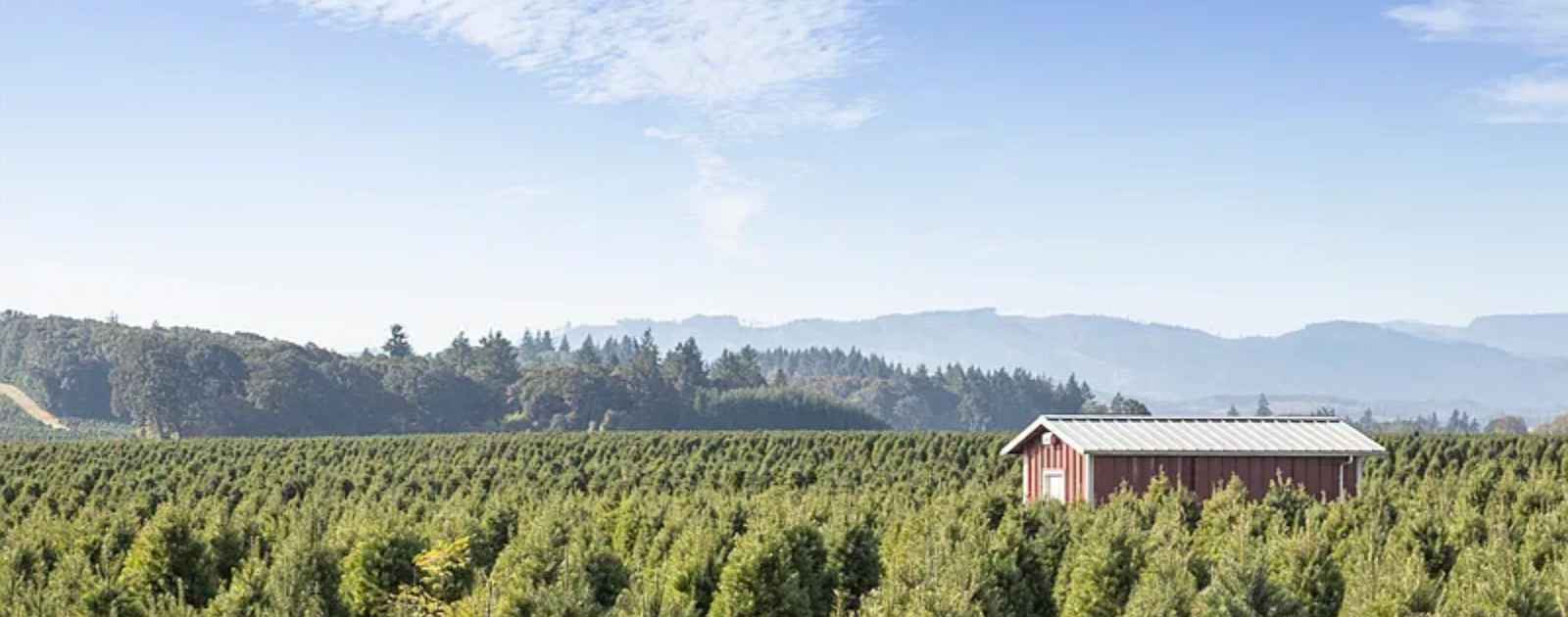
There’s a moment that happens on almost every acreage showing. The buyer steps out of the car, looks across the pasture toward the hills, and goes quiet. That’s the view talking. It’s a wonderful feeling, and it’s exactly why it pays to slow down and ask a few unglamorous questions before you fall all the way in love.
Rural property in Oregon works differently from a house in town. There’s no city water line, no sewer and often no one plowing the road but you. Here’s what to look at, in plain English.
A quick note: we’re real estate agents, not engineers, attorneys or land-use planners. This guide covers the basics. For any specific property, rely on the county, the state agencies and qualified professionals.
Start with a good map: Land id
Before you even schedule a showing, it helps to see the land from above. Land id is a mapping platform built for real estate and land, and many agents use it to research and share rural properties. It’s one of our favorite tools for getting the lay of the land, literally.
With Land id, you can:
- See parcel boundaries and ownership information, with nationwide parcel data
- View high-resolution aerial maps and explore properties in 3D
- Check map overlays, including flood zones, with more than 40 overlays available
- Order soil reports for a property
- Take maps with you on your phone, even offline, which helps when you’re walking a property with spotty cell service
- Share maps and virtual property tours by link, so your family can see exactly what you’re looking at
Land id offers a free trial and free-to-start mobile apps for iPhone and Android, so it’s easy to try. Think of it as a powerful first look. For final answers on boundaries, zoning and water, you’ll still want county records, a survey and the professionals listed below.
1. Water: wells and water rights
On most rural land, water comes from a private well. Two separate questions matter here: is there enough good water for the house, and are you allowed to use water for anything beyond the house?
The well
- Look up the well log. When a well is drilled in Oregon, the driller files a report with the Oregon Water Resources Department. You can search these well logs online to see details like the well’s depth, the water level and the results of the yield test done when it was drilled. Older records may be incomplete.
- Know the testing rule. When a property with a domestic well is sold, Oregon requires the seller to test the well water for arsenic, nitrate and total coliform bacteria, and to share the results with the buyer and the Oregon Health Authority.
- Consider more testing. Many buyers also hire a well inspector to check the pump, the equipment and how much water the well produces today.
Water rights
Here’s the part that surprises a lot of buyers. In Oregon, water belongs to the public, and you generally need a water right to use surface water or groundwater. Owning land next to a creek doesn’t automatically mean you can pump from it.
- Some uses don’t need a water right. Under Oregon law, exempt groundwater uses include household use up to 15,000 gallons a day, watering a lawn or noncommercial garden up to half an acre, and stock watering.
- Bigger plans need a water right. If you’re dreaming of irrigating pasture, an orchard or a vineyard, ask whether the property comes with a water right and what it covers.
- Water rights usually stay with the land. They generally transfer with the property, but each one is limited to a specific use, place, amount and season. Rights can also be lost after five years in a row without use.
- How to check: ask the seller, your title company, the Oregon Water Resources Department or the local watermaster.
2. Septic: where the wastewater goes
Most rural homes use an onsite septic system instead of a city sewer. In Oregon, these systems are regulated by the Department of Environmental Quality, often working through county agents.
- Buying a home with an existing system? DEQ recommends hiring a qualified inspector to evaluate the whole system, not just the tank. Ask the county or DEQ for the system’s permit records, and make sure it’s sized for your household.
- Buying bare land to build on? A new system starts with a site evaluation, where test pits are dug and evaluated to decide whether a system can go there, and what size and type it needs. Then comes a construction permit. Ask whether a site evaluation has already been done before you make plans for a house.
- Ownership means maintenance. DEQ suggests having a septic tank inspected about every five to seven years and pumped by a licensed pumper when needed.
3. Zoning: what you can build and do
This is where Oregon is truly different from many states. Since the 1970s, Oregon has protected farm and forest land through statewide planning goals. Outside city limits and urban growth boundaries, much of the land is zoned Exclusive Farm Use (EFU) or forest.
- Farm and forest zones limit new homes. Building a new dwelling on farm or forest land comes with specific rules and tests. Some parcels qualify, and many don’t. Never assume a piece of land can have a house just because it’s big or pretty.
- Minimum parcel sizes are large. In farm and forest zones, newly created parcels generally need to be large, often 80 acres or more, so splitting a property may not be possible.
- Other plans need checking, too. Shops, guest houses, short-term rentals, events, home businesses and farm stands all have their own rules.
- Ask the county first. The county planning department can tell you how a property is zoned and what’s allowed. If building is your plan, ask about the property’s history and any approvals, and consider talking with a land-use attorney or planner before you buy.
4. Access: how you get there, legally and in January
A road on the ground isn’t always a right to use it. Before you buy, make sure you have legal access, not just physical access.
- Legal access: does the property front a public road, or does it rely on an easement across someone else’s land? Your title report should show recorded easements.
- Shared roads: many rural properties share a private road with neighbors. Ask whether there’s a written road maintenance agreement and who pays for gravel, grading and snow or tree removal.
- Year-round reality: drive the road in the wet season if you can. A gravel lane that’s charming in August can be a different story in January.
- Utilities: check where power comes from, whether internet service is available at the property, and what it would cost to bring utilities to a building site.
A few more things worth checking
- Boundaries: fences aren’t always on the property line. A survey can confirm boundaries and spot encroachments.
- Fire protection: ask which fire district or agency serves the property and how far away the nearest station is. It can also affect insurance.
- Floodplains and wetlands: low-lying land near rivers and creeks may have restrictions or insurance requirements.
- Existing farm operations: if the land has a vineyard, orchard, timber or livestock, ask about its condition and any leases or agreements in place.
Where our agents help buyers find land
- Sheridan: rural acreage, small farms and hobby properties at the foot of the Coast Range. Meet our Sheridan office
- Yamhill County: vineyard land, orchards and farm properties around McMinnville and Newberg.
- Lane County: rural property out toward the McKenzie River and Coburg, outside Eugene. Meet our Eugene office
- Southern Oregon: acreage, orchards and vineyard land across the Rogue Valley. Meet our Medford office
Your rural property checklist
| Topic | Questions to ask | Where to look |
| Well | How deep, how productive, what did the water test show? | OWRD well log search; seller’s water test; well inspector |
| Water rights | Are there any? For what use, how much and when? | Seller, title company, OWRD, local watermaster |
| Septic | Is the system permitted, sized right and in good shape? Has a site evaluation been done? | County or DEQ permit records; septic inspector |
| Zoning | How is it zoned, and can I build or do what I’m planning? | County planning department; land-use attorney or planner |
| Access | Is there legal access? Who maintains the road? | Title report; road maintenance agreement |
| Boundaries | Where are the actual property lines? | Survey; Land id for a first look |
| Utilities | Power, internet and the cost to extend them | Local utility providers |
Quick questions
Do I need a water right for a well in Oregon?
Not for every use. Oregon law exempts some groundwater uses, including household use up to 15,000 gallons a day, watering a lawn or noncommercial garden up to half an acre, and stock watering. Larger uses, like irrigating pasture or crops, generally require a water right.
Does Oregon require well testing when you sell a home?
Yes. When a property with a domestic well is sold, the seller must have the water tested for arsenic, nitrate and total coliform bacteria and share the results with the buyer and the Oregon Health Authority.
Can I build a house on farmland in Oregon?
Sometimes, but not always. Much of Oregon’s rural land is zoned for exclusive farm use or forest use, and new homes in those zones must meet specific rules. Check with the county planning department before you buy.
How do I check a septic system before buying rural property?
Hire a qualified inspector to evaluate the whole system, and ask the county or Oregon DEQ for the system’s permit records. For bare land, ask whether a site evaluation has been done to confirm a septic system can be installed.
The takeaway
Fall in love with the view, then ask about the water, the septic, the zoning and the road. The best land deals are the ones with no surprises.
Start your search with a bird’s-eye look on Land id, then let a local agent help with the rest. For local commentary, community events and monthly market updates from our real estate coaches and professionals, follow along on Instagram at @coldwellbankerpg.oregon.
This article is general information, not legal, engineering or land-use advice. Rules vary by county and change over time.